
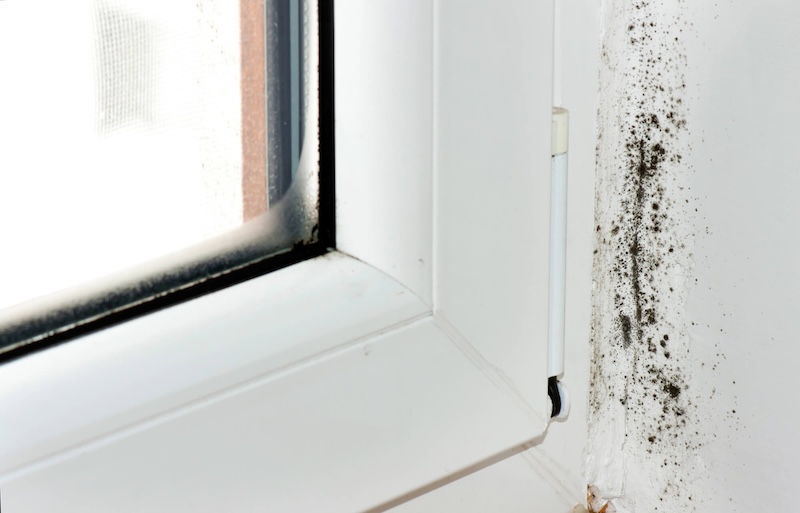
Finding mold in your home may be alarming, but understanding its presence is the first step toward effective remediation. Mold is a common fungus that is naturally present everywhere, but it only thrives and multiplies indoors when specific conditions are met. Knowing the underlying causes of mold is crucial because simply cleaning the visible spots won’t solve the problem; you have to eliminate the environment that allows it to flourish. For homeowners, this means focusing on moisture management.
The Recipe for Mold Growth: Primary Causes of Mold
Mold spores are inert unless they find the right resources. The general causes of mold proliferation involve a simple recipe: mold needs oxygen, a food source, and a specific temperature range, all of which are readily available in almost every home. The “food” for mold is typically organic matter, such as wood, drywall paper, dust, fabric, and even the residue on tiles. Your home is essentially a giant buffet. Mold prefers temperatures between 70-90 degrees, which conveniently falls within the same temperature range most people keep their houses at. Since oxygen, food, and temperature are nearly impossible to eliminate entirely, the focus must shift to the one variable you could control: water.
Uncontrolled Water Infiltration: Leading Causes of Mold
The most rapid and destructive causes of mold growth involve bulk water intrusion. This happens when liquid water enters the home from an exterior source and saturates porous materials. Roof leaks are a prime example. A failed shingle or flashing will allow water to drip slowly into the attic and walls, creating widespread saturation that is often hidden until mold becomes visible or odors arise. Similarly, plumbing leaks, even small, slow drips, provide a continuous water supply. A broken washing machine hose or a leaky pipe under a sink could quickly turn a small area into a significant mold site. Homeowners must be vigilant about fixing leaks immediately, as saturated drywall could quickly become a mold colony within 24 to 48 hours.
Condensation and Humidity: Persistent Causes of Mold
In high-humidity climates or during seasonal transitions, condensation is one of the most persistent and hard-to-control causes of mold. This happens when high levels of water vapor in the air condense back into liquid form on cold surfaces. Everyday activities like showering, cooking, and doing laundry introduce excessive moisture into the air. When this moist, warm air touches a cold wall, window, or pipe, the resulting condensation creates surface dampness. This is why mold often appears first on window sills, in closets built on exterior walls, or behind furniture where air circulation is poor. Bathrooms without exhaust fans or kitchens without range hoods allow humid air to spread throughout the house. Furthermore, a failure to manage the home’s overall humidity (ideally keeping it below 60%) means that every surface in the home remains perpetually damp enough to support mold growth. Addressing these airflow and humidity issues is essential to stopping chronic mold issues.
Exterior Factors that Contribute
Sometimes the causes of mold are rooted in the way the home interacts with its exterior environment. If the ground around your foundation slopes toward the house, rainwater and runoff will inevitably seep into the basement or crawl space. Once the below-grade spaces are damp, the moisture rises through a process called wicking or capillary action, causing damp walls in finished areas. Similarly, gutters and downspouts that are clogged or empty too close to the foundation create localized flooding, feeding the dampness into your home’s structure.
Emerald Coast Home Inspectors offers home inspection services to homeowners in Pensacola and surrounding areas, including wind mitigation inspections. Contact us to schedule an inspection today.